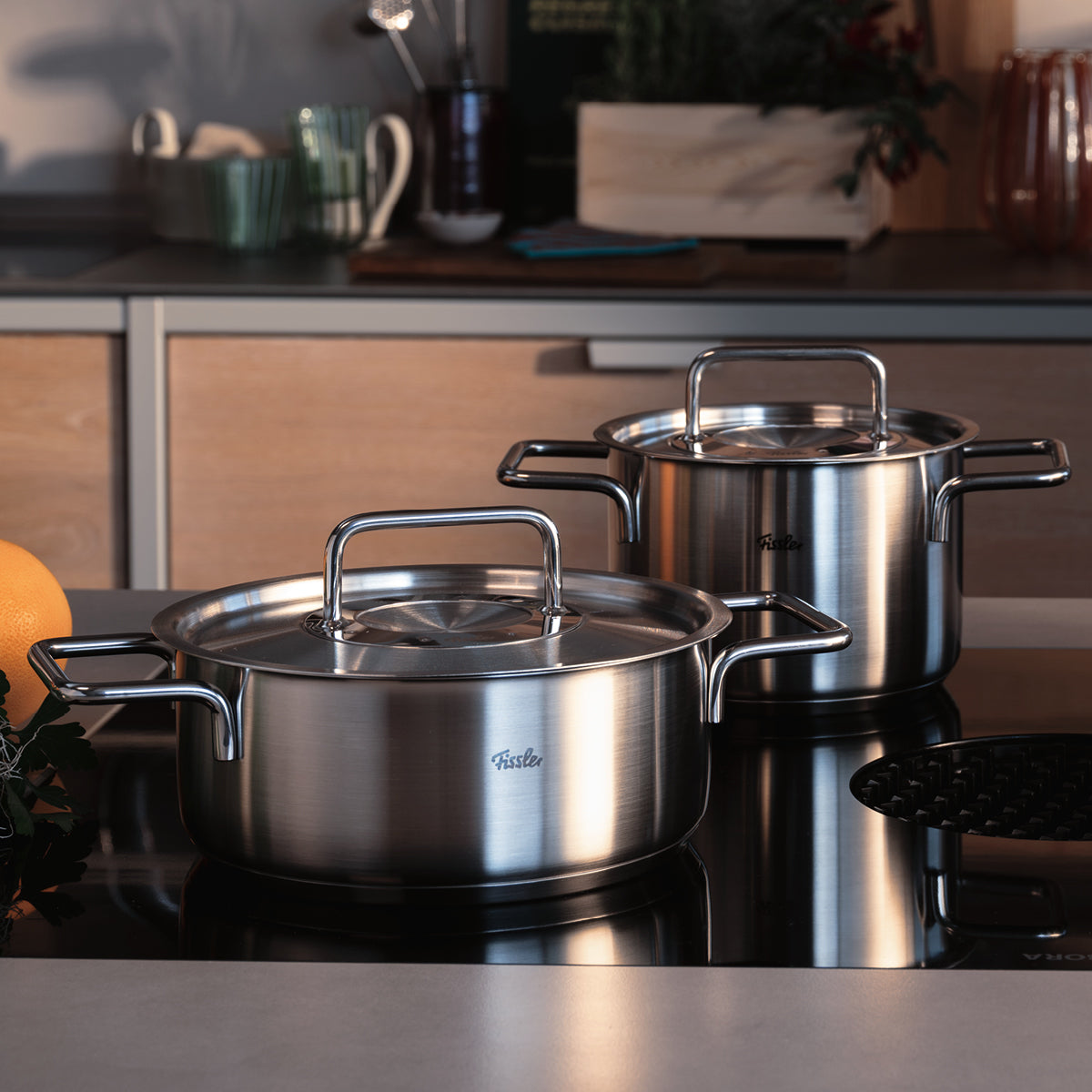
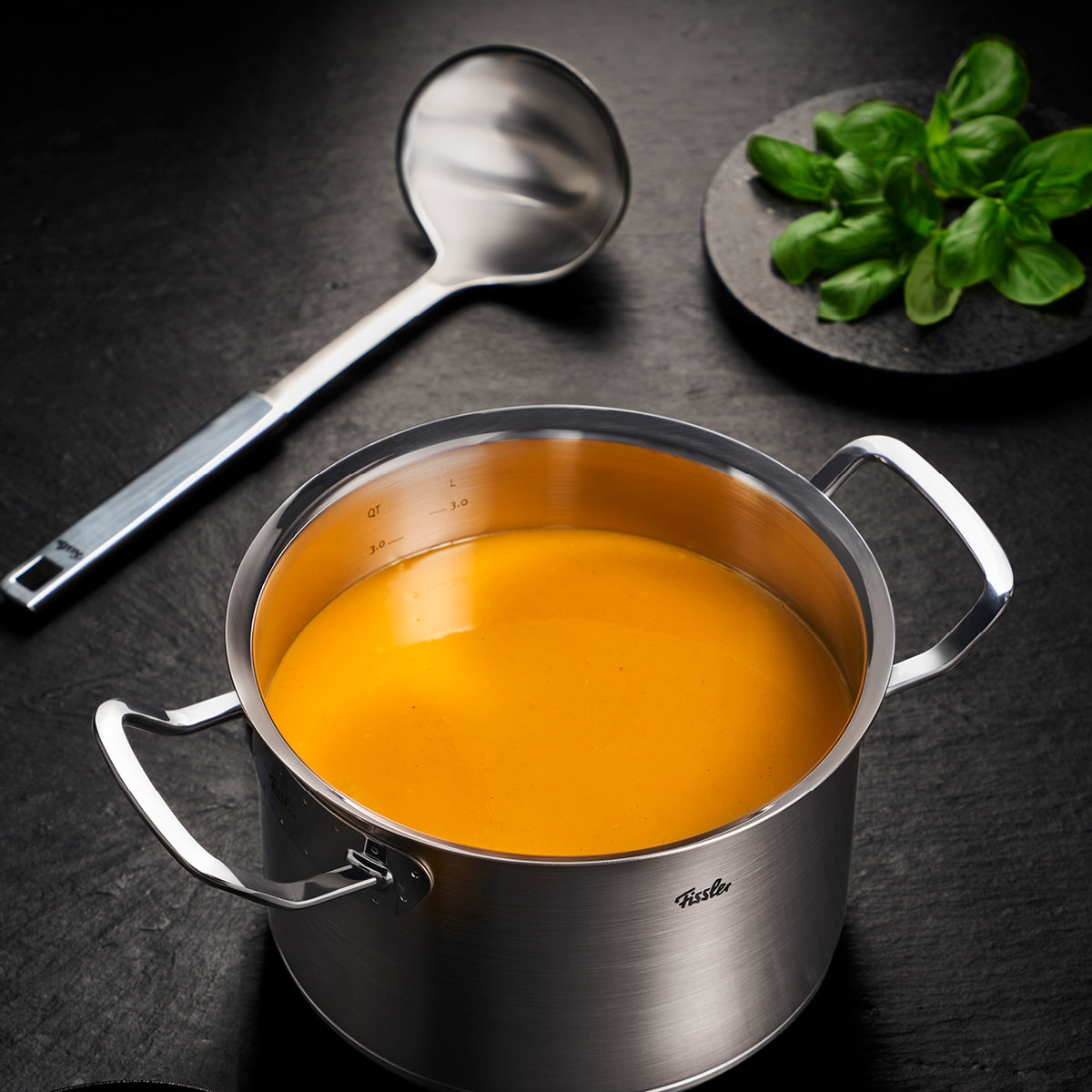
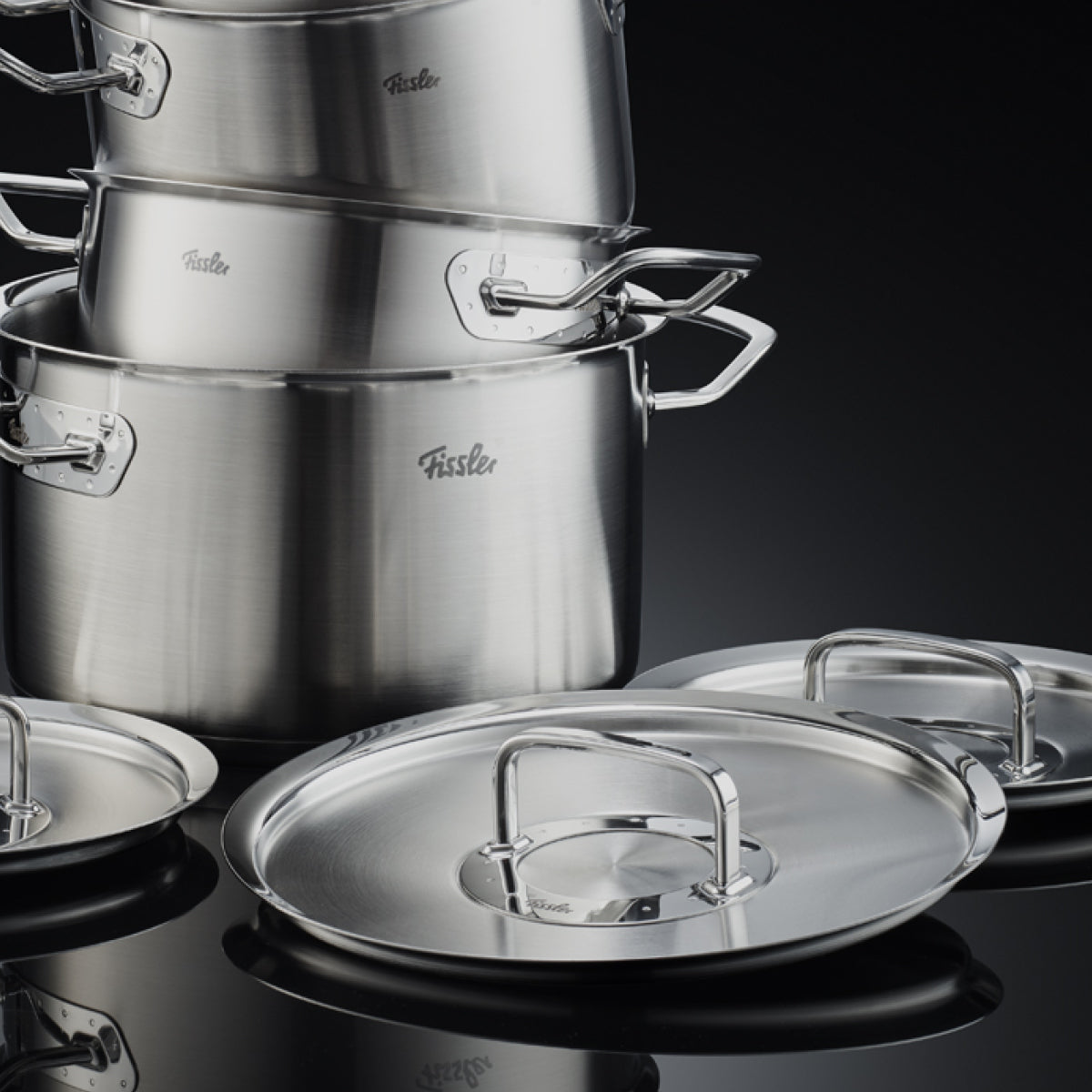
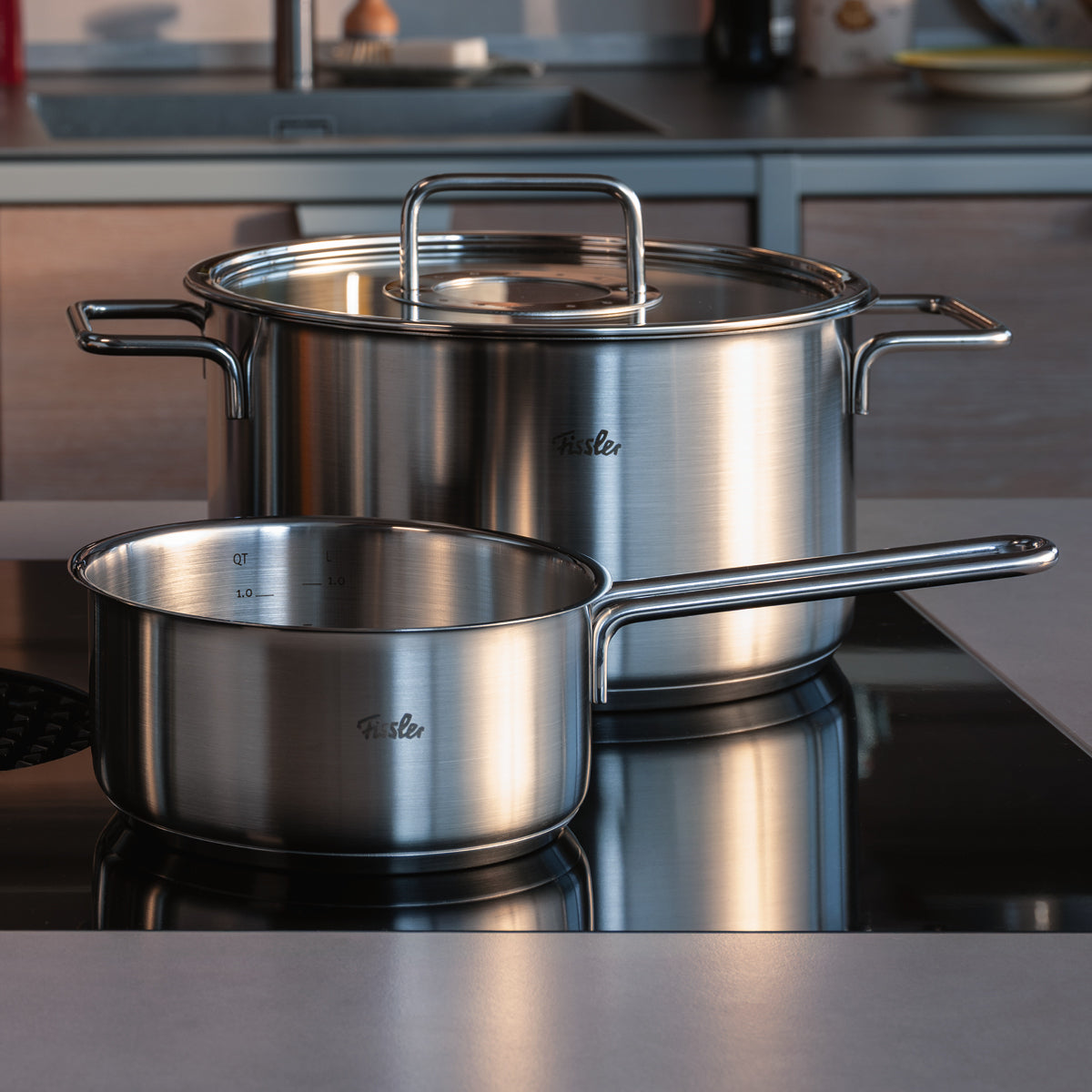
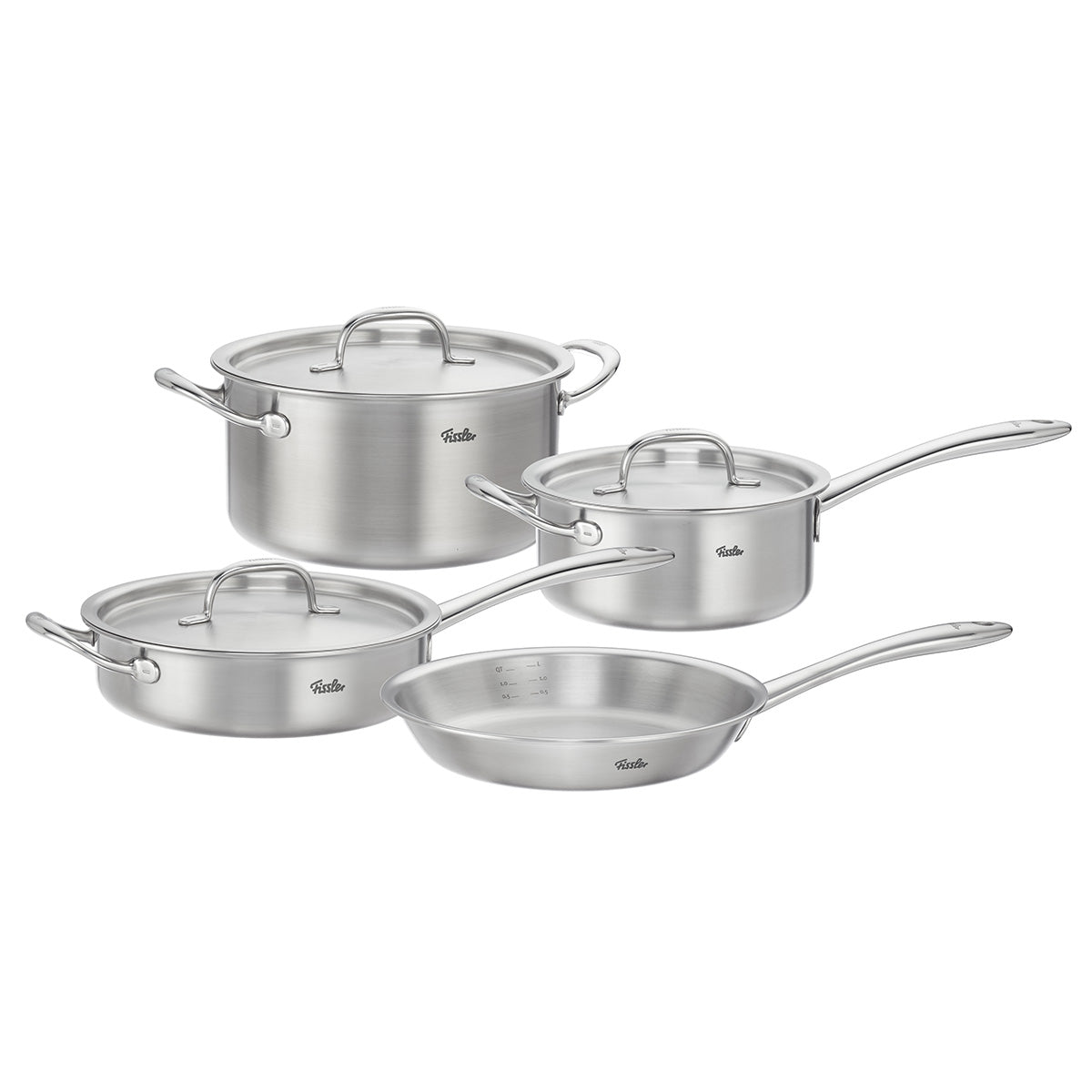
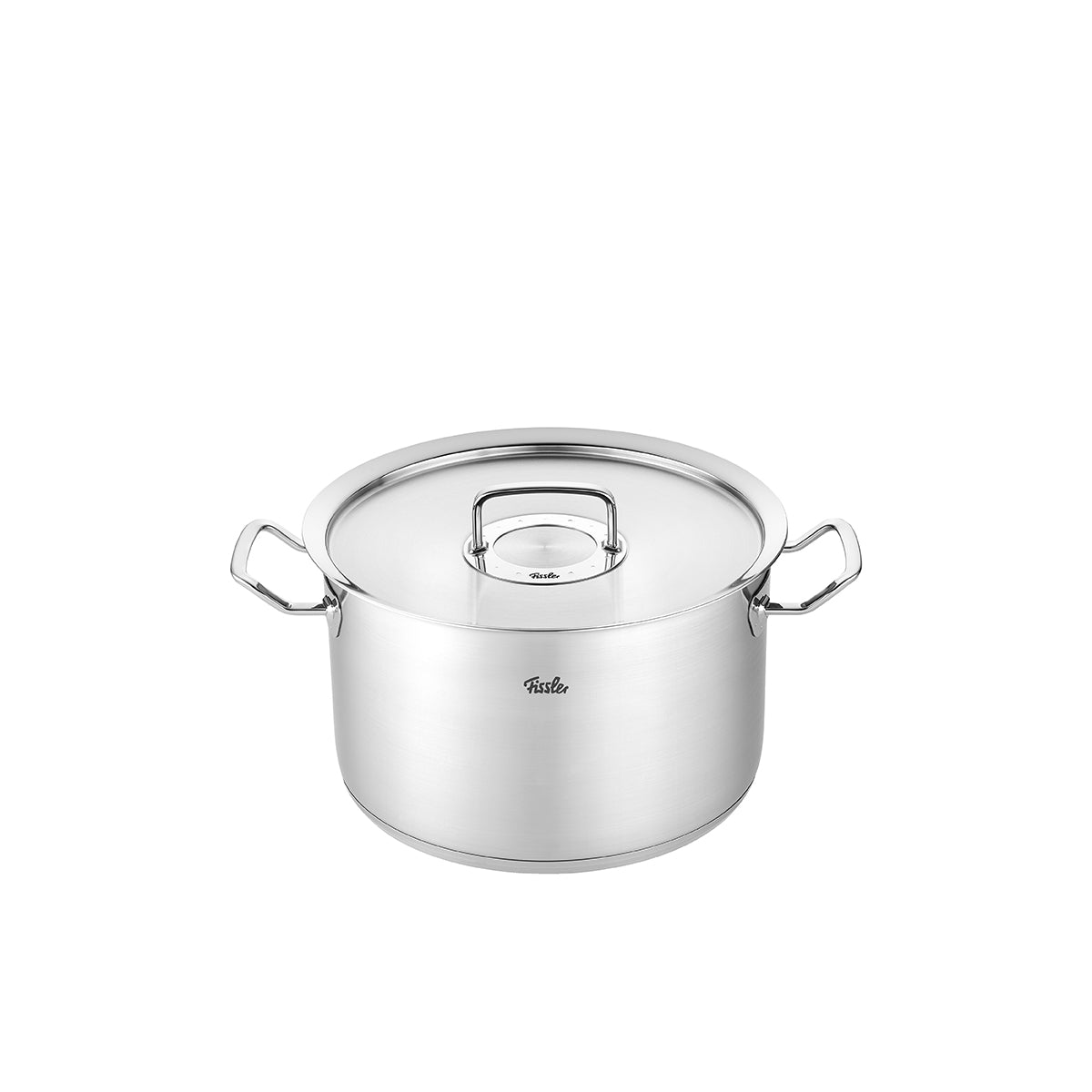
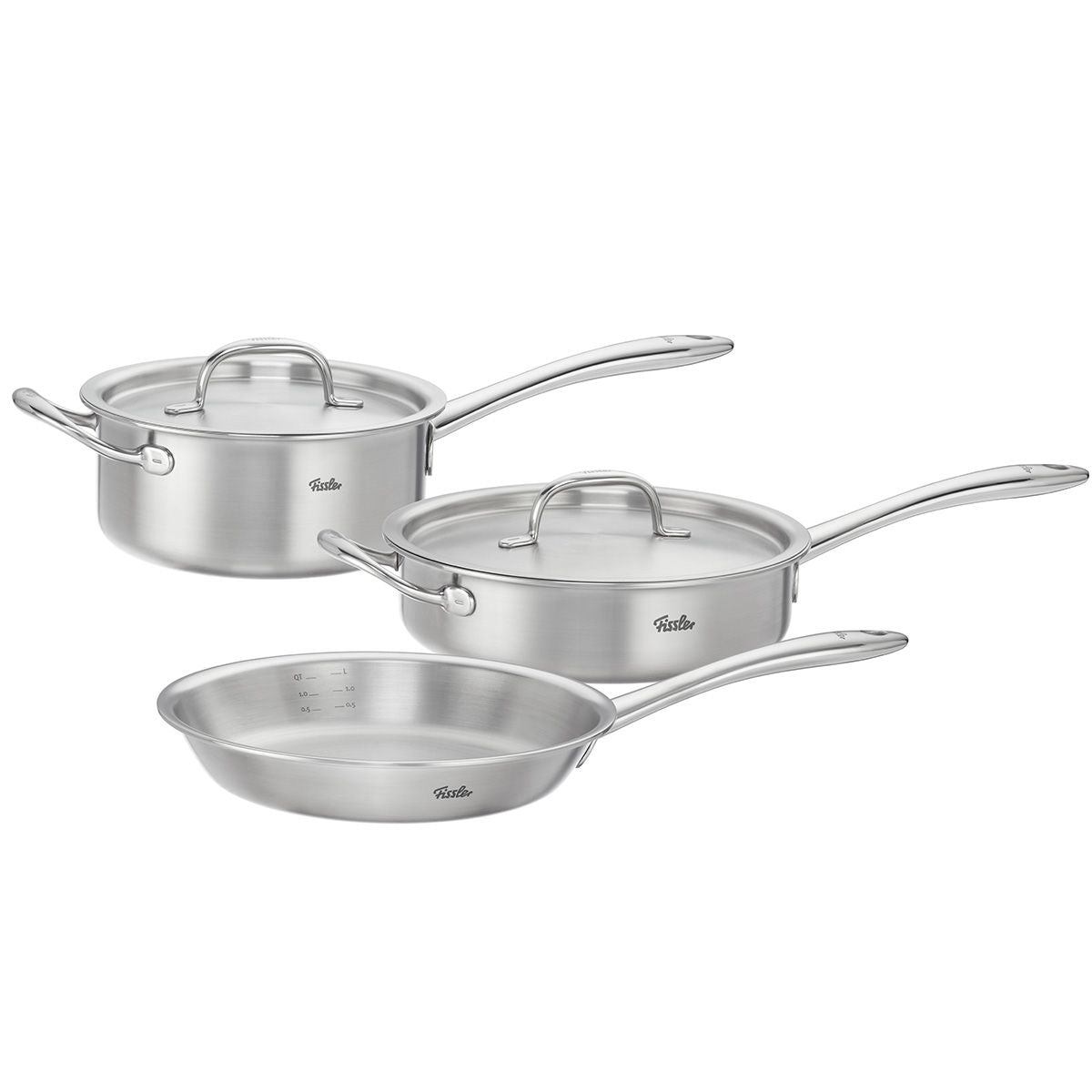
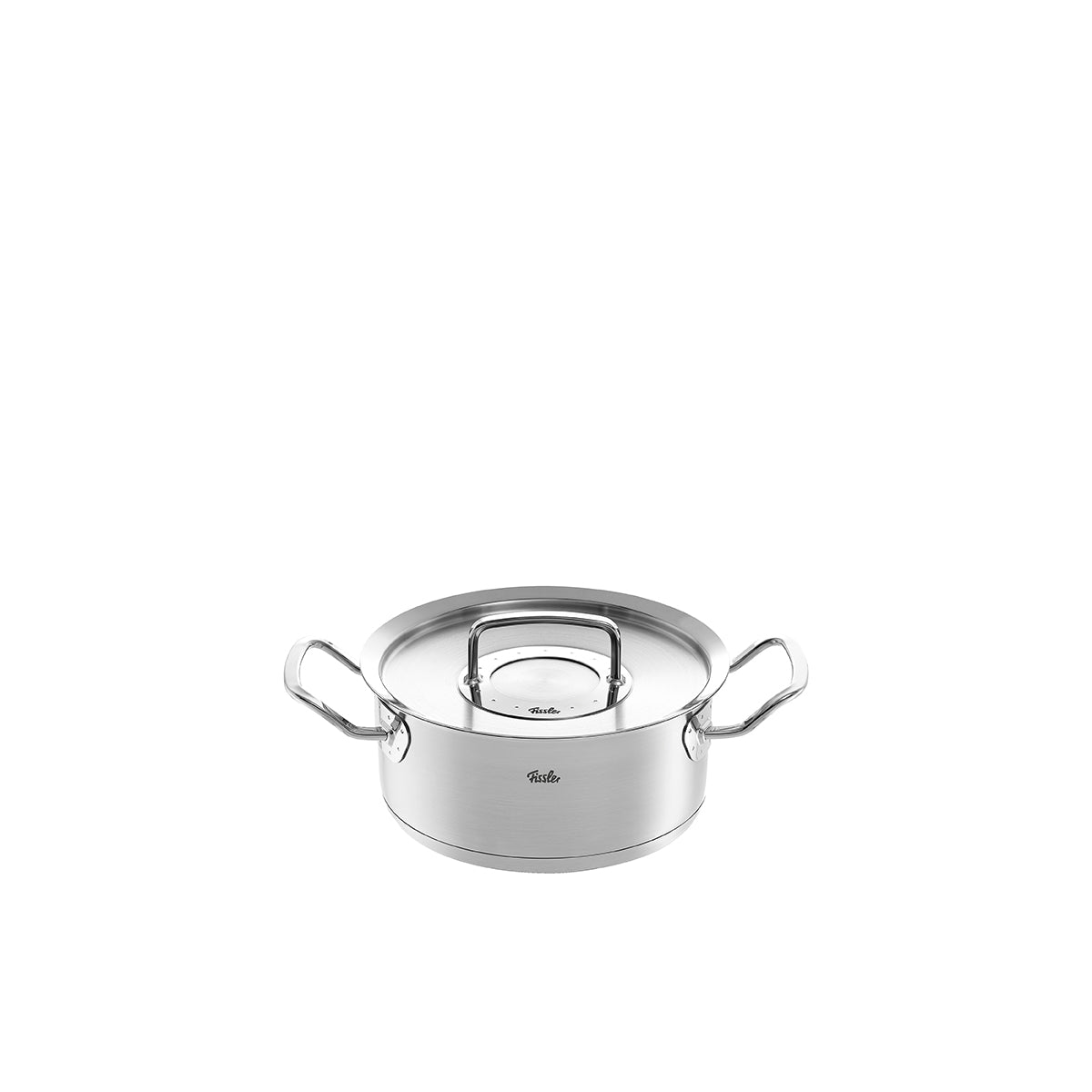
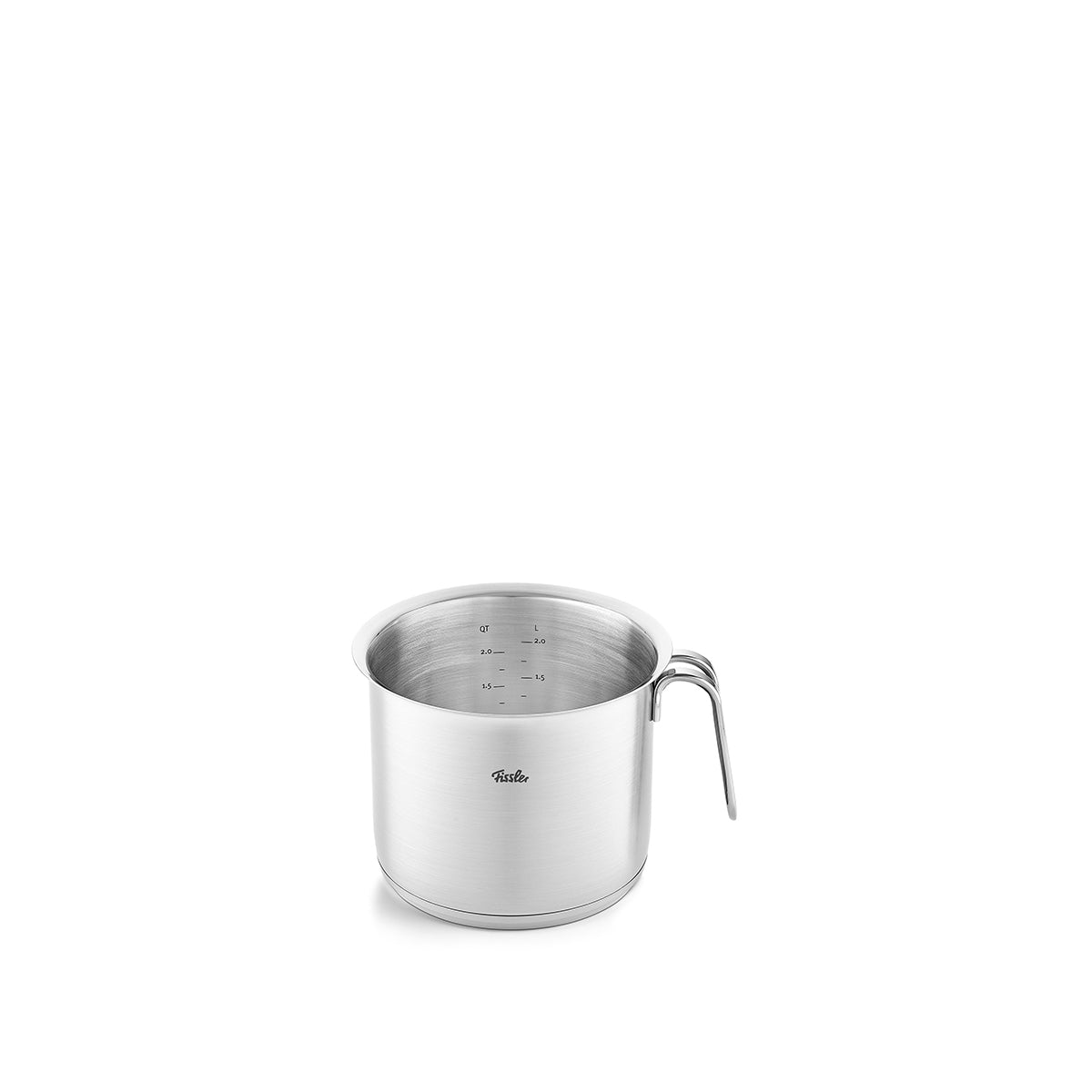
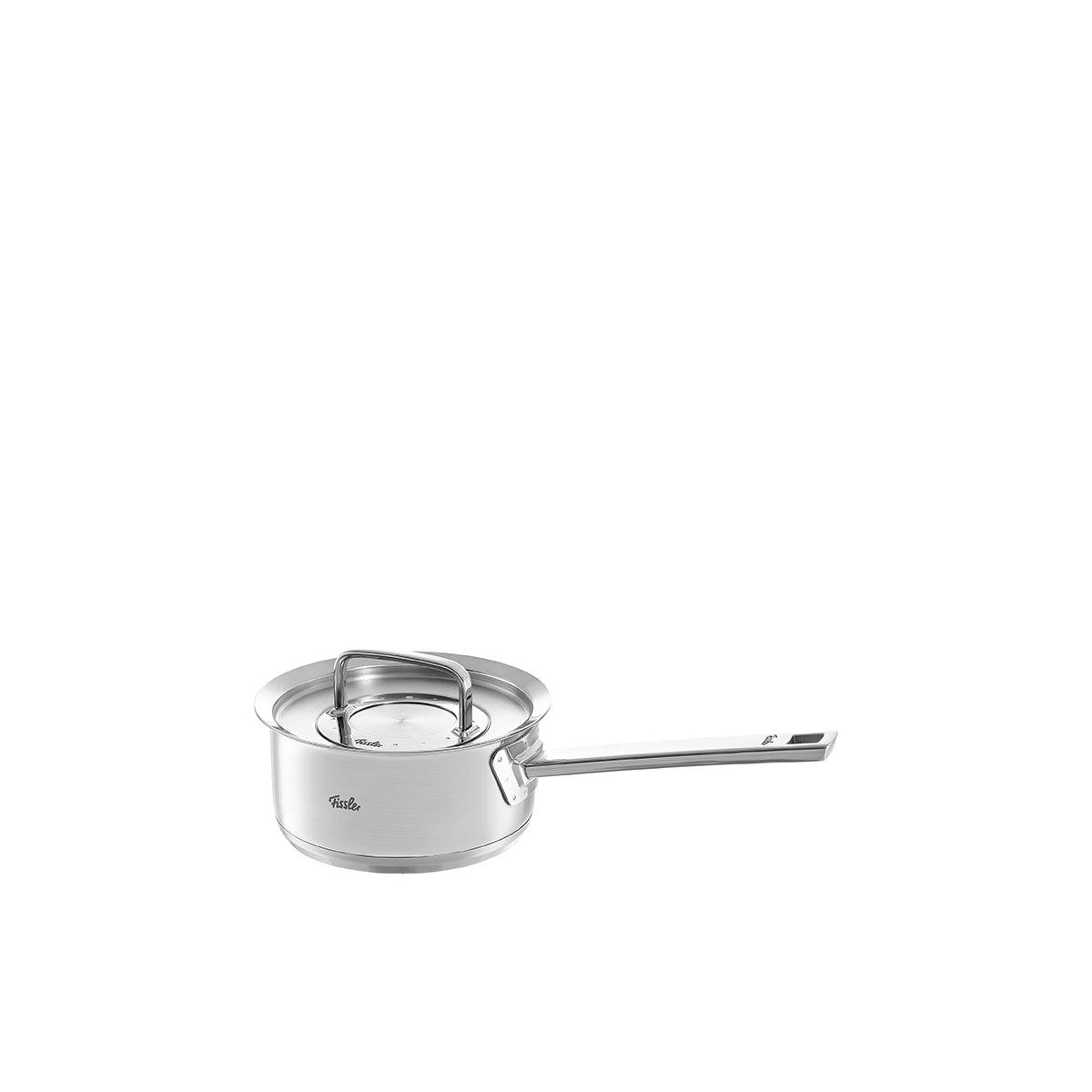
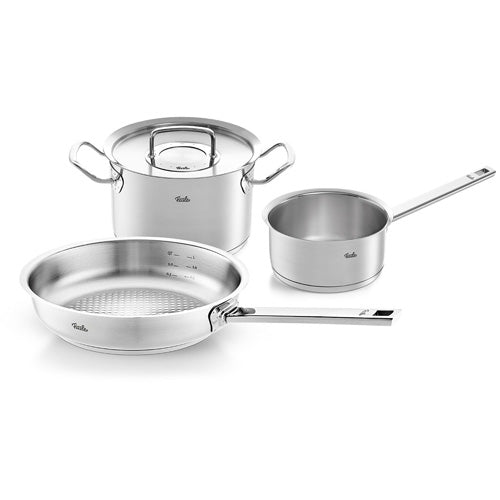
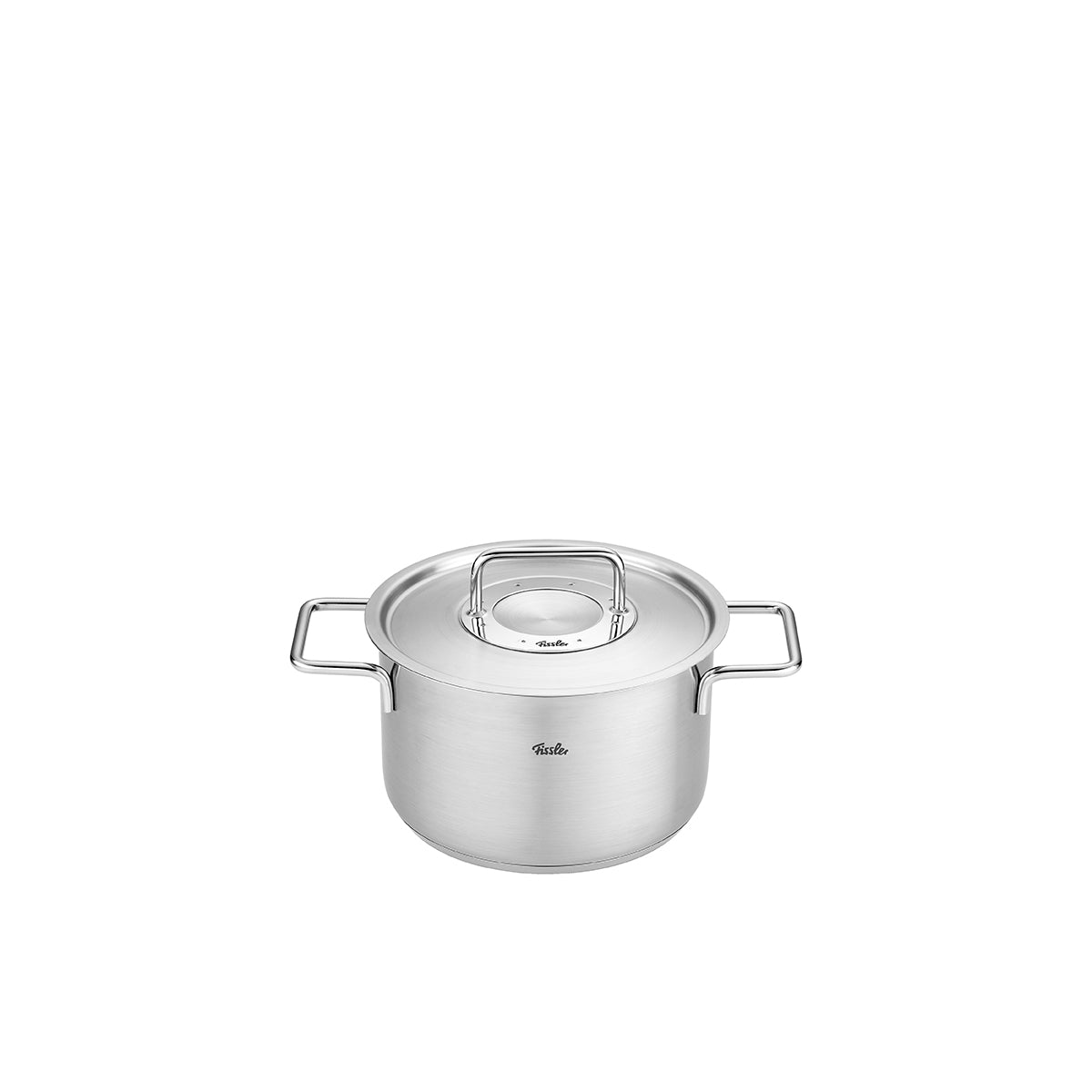
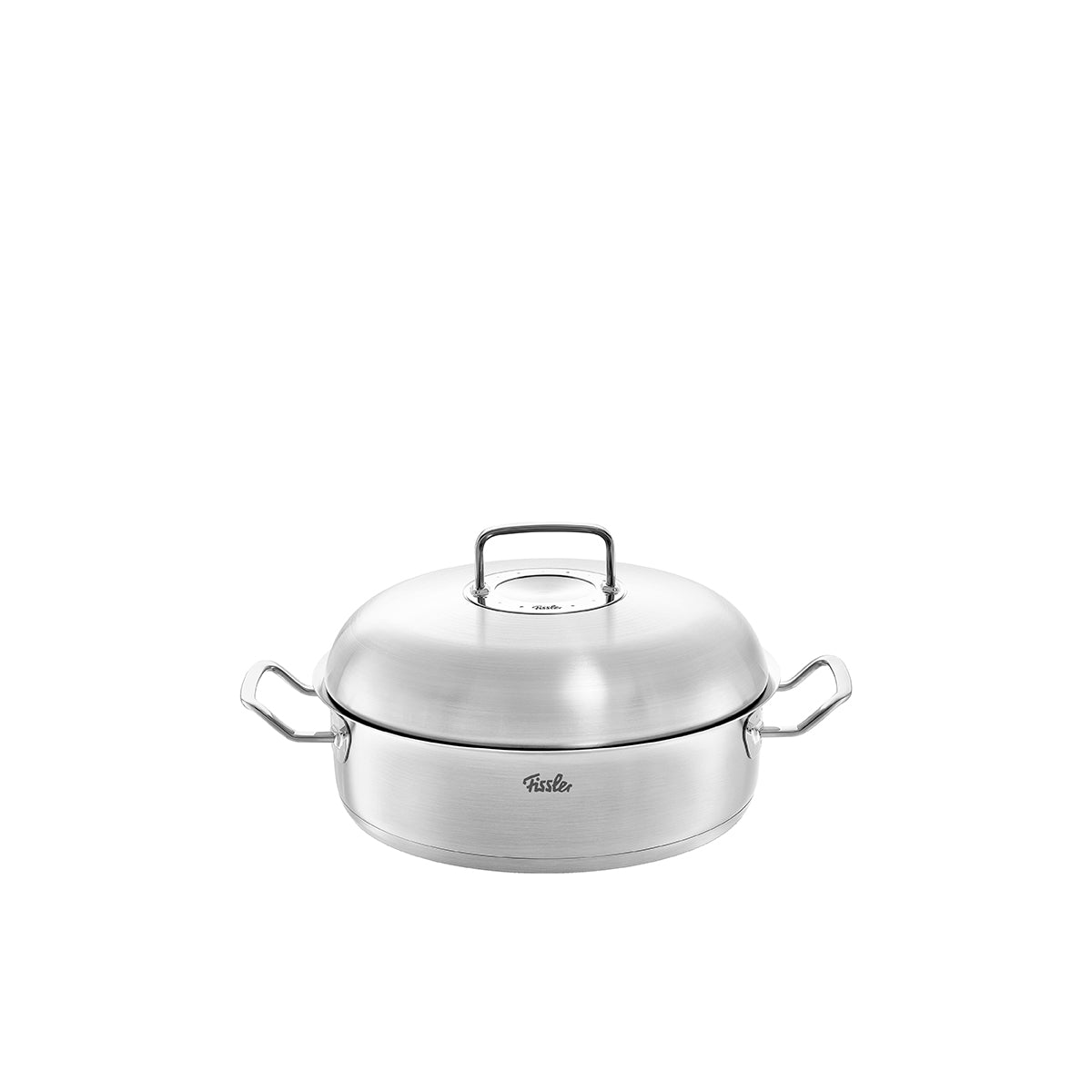
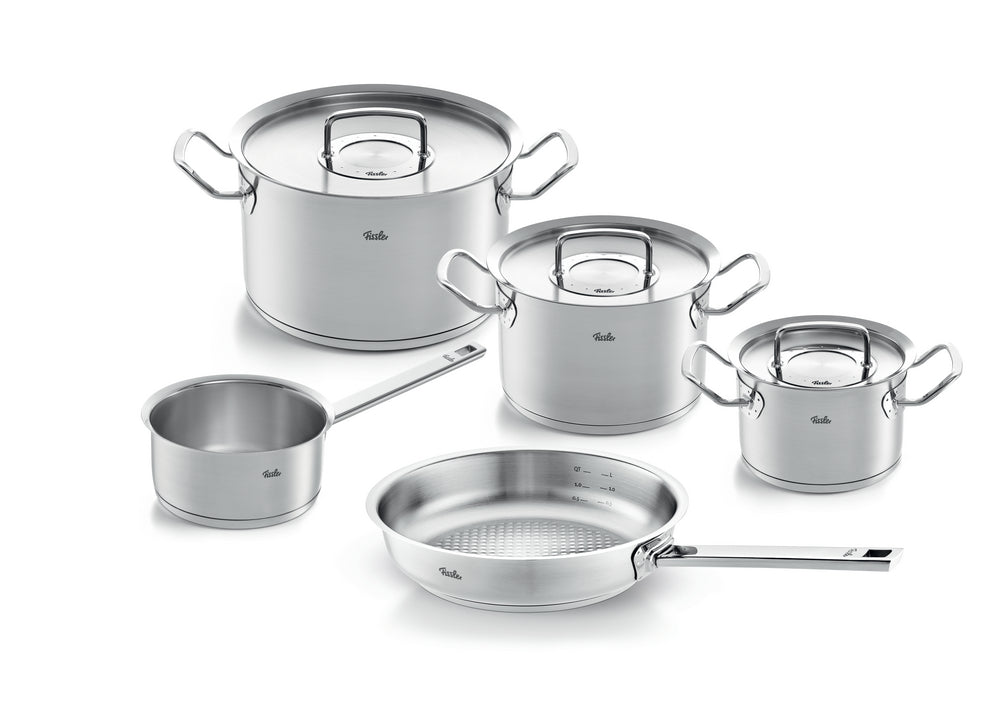
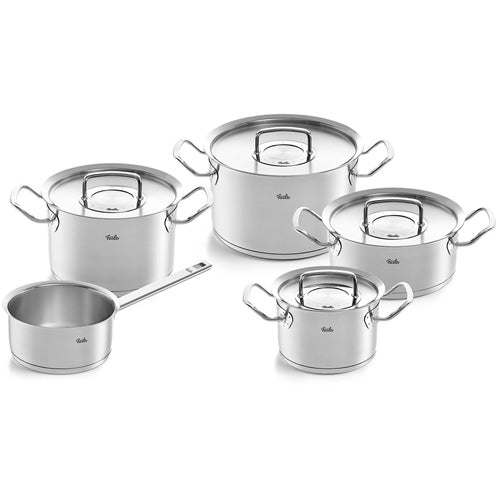
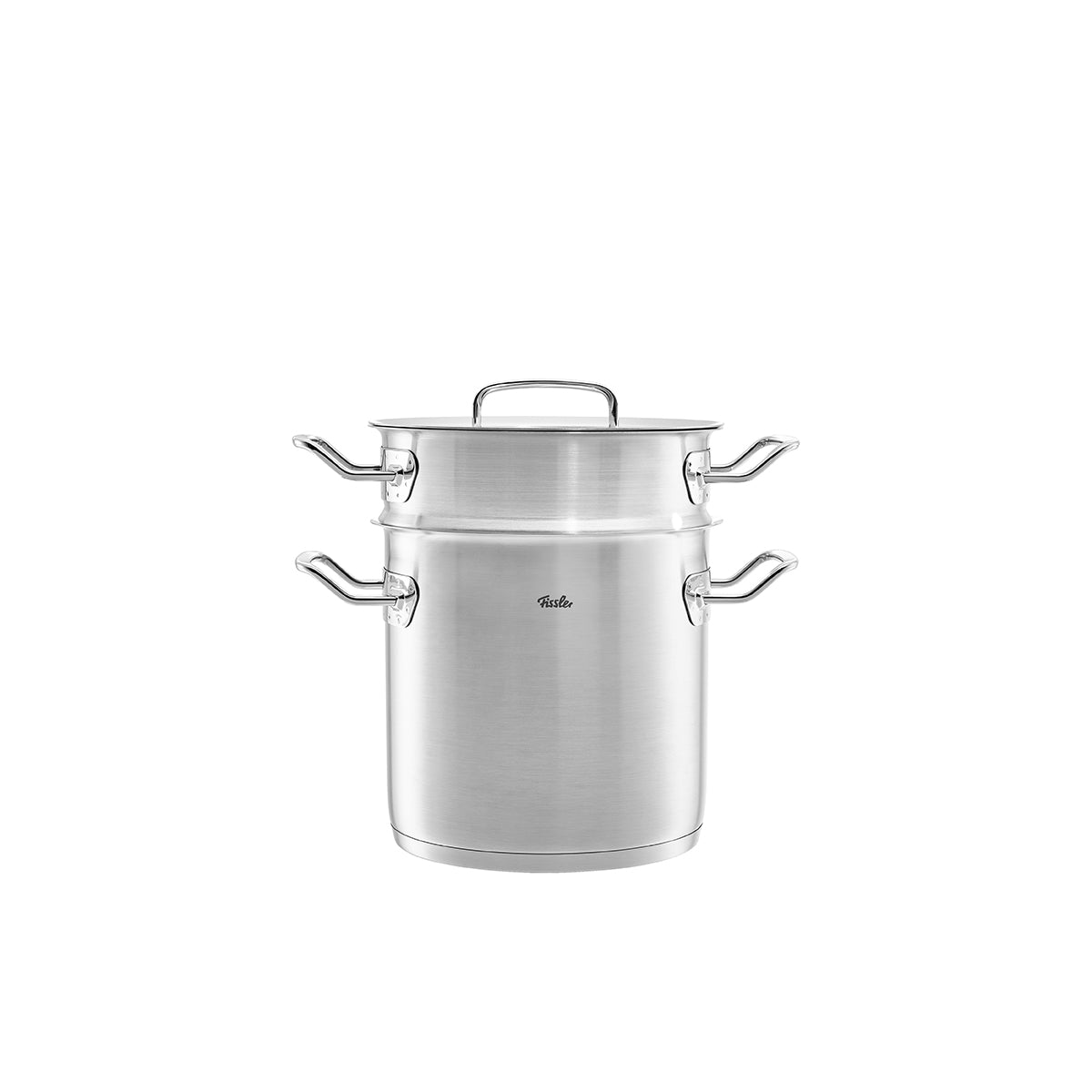
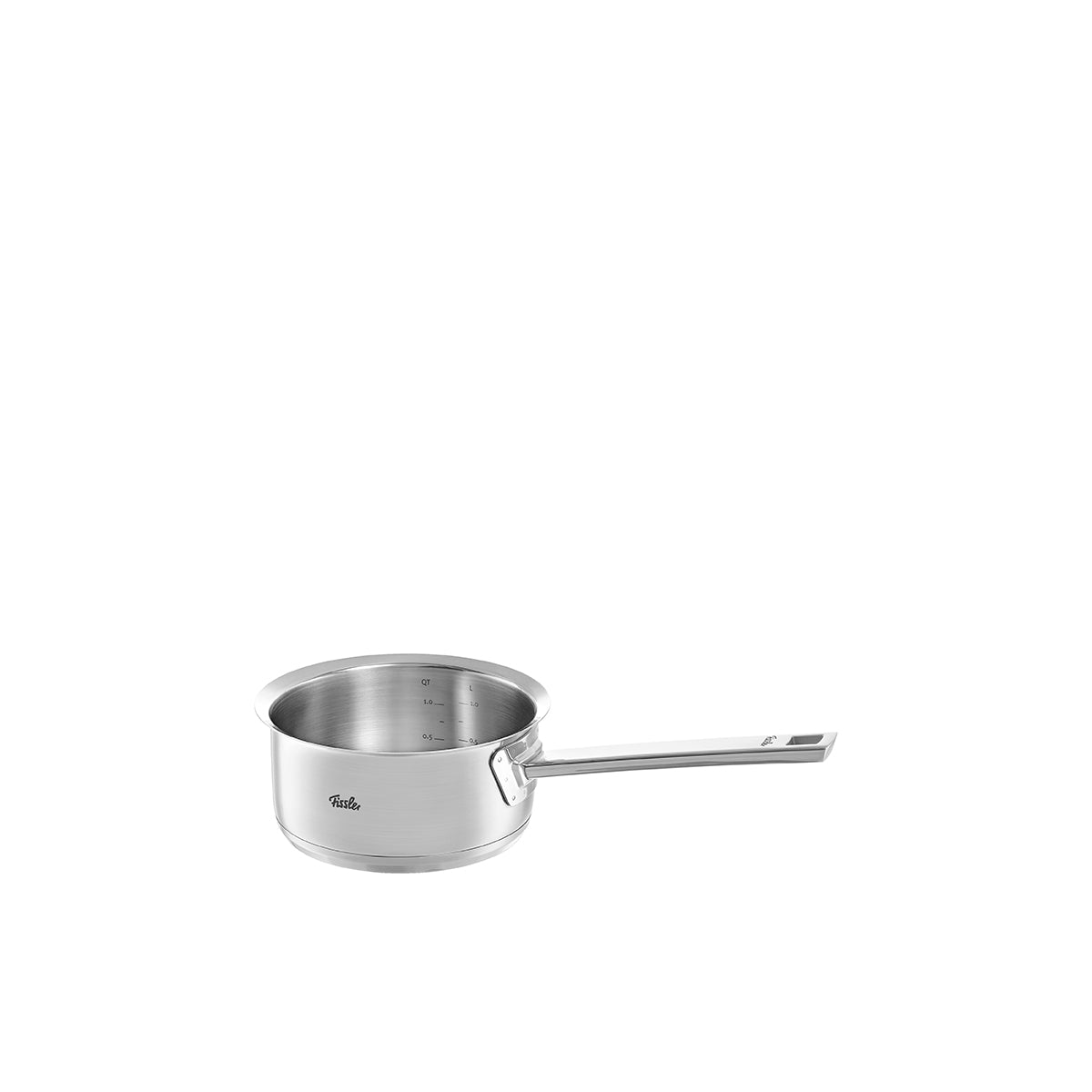
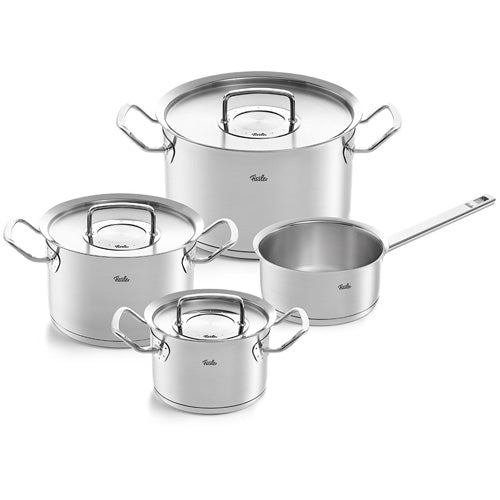
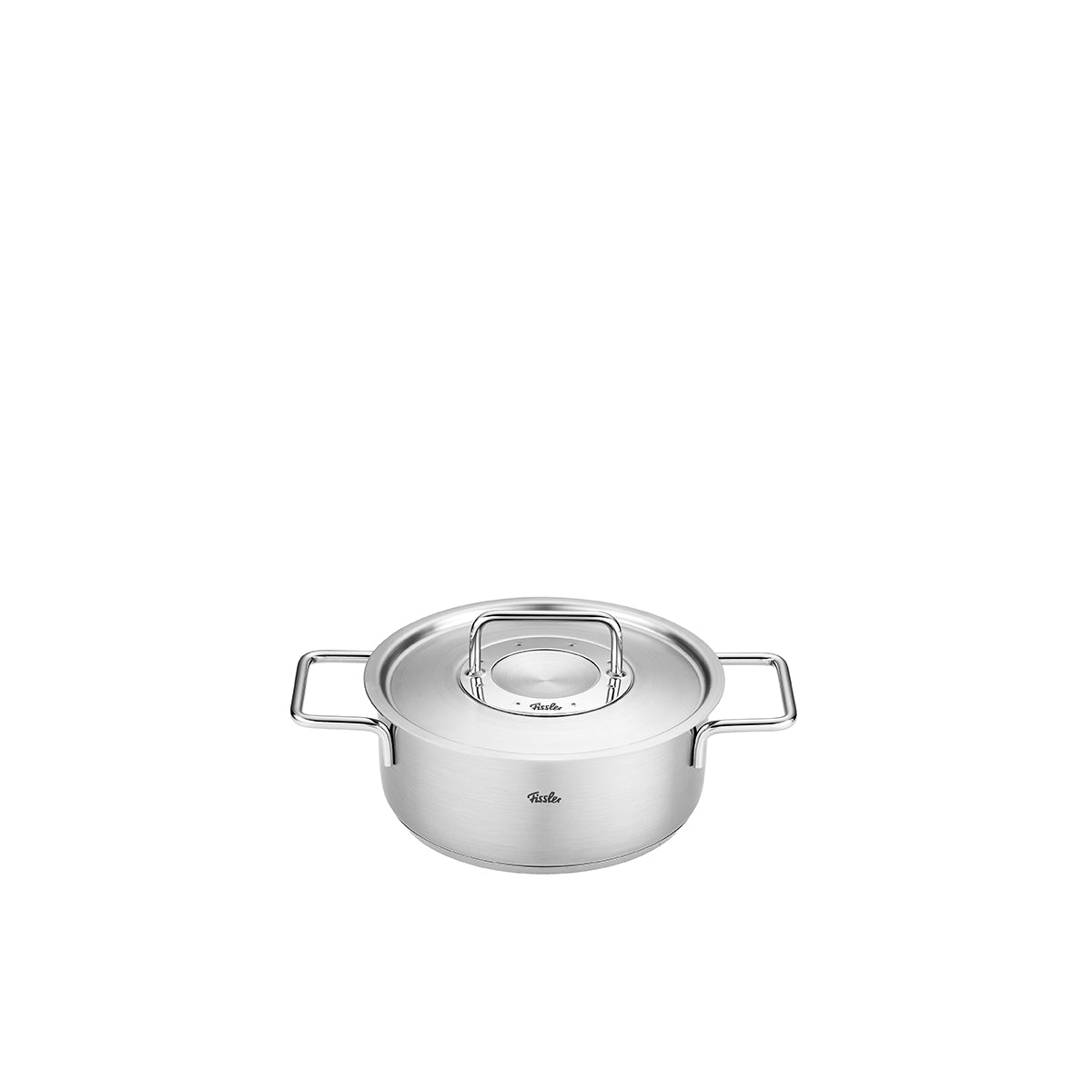
For all preparation methods, you'll need a vegetable pot with a tightly fitting lid and sufficient capacity, height, and diameter. Steaming also requires a steamer insert. Braising works best in a roaster or sauté pot with low sides. To deep-fry vegetables, a tall saucepan is recommended.
Boiling
Vegetables can be traditionally boiled in hot liquid. When boiling vegetables in water, some flavor is lost, and vitamins, minerals, and color compounds may leach into the cooking water.
Steaming with Liquid (Sauté-Steam)
To retain most nutrients and color, vegetables can be steamed gently with minimal fat or liquid at medium temperatures (approx. 160–210°F) in a covered pot.
Steaming
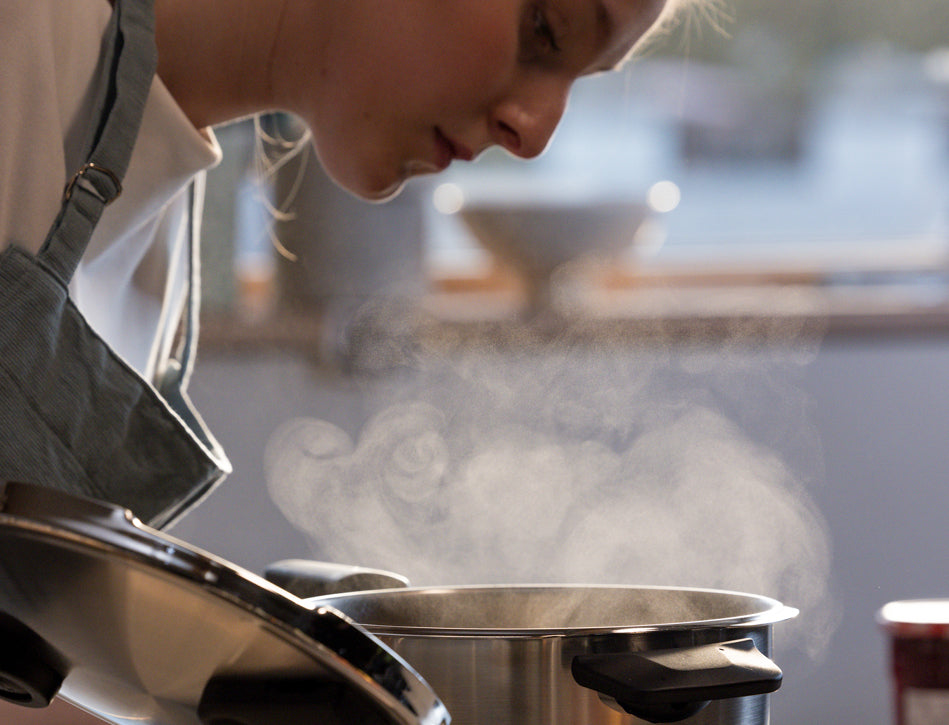
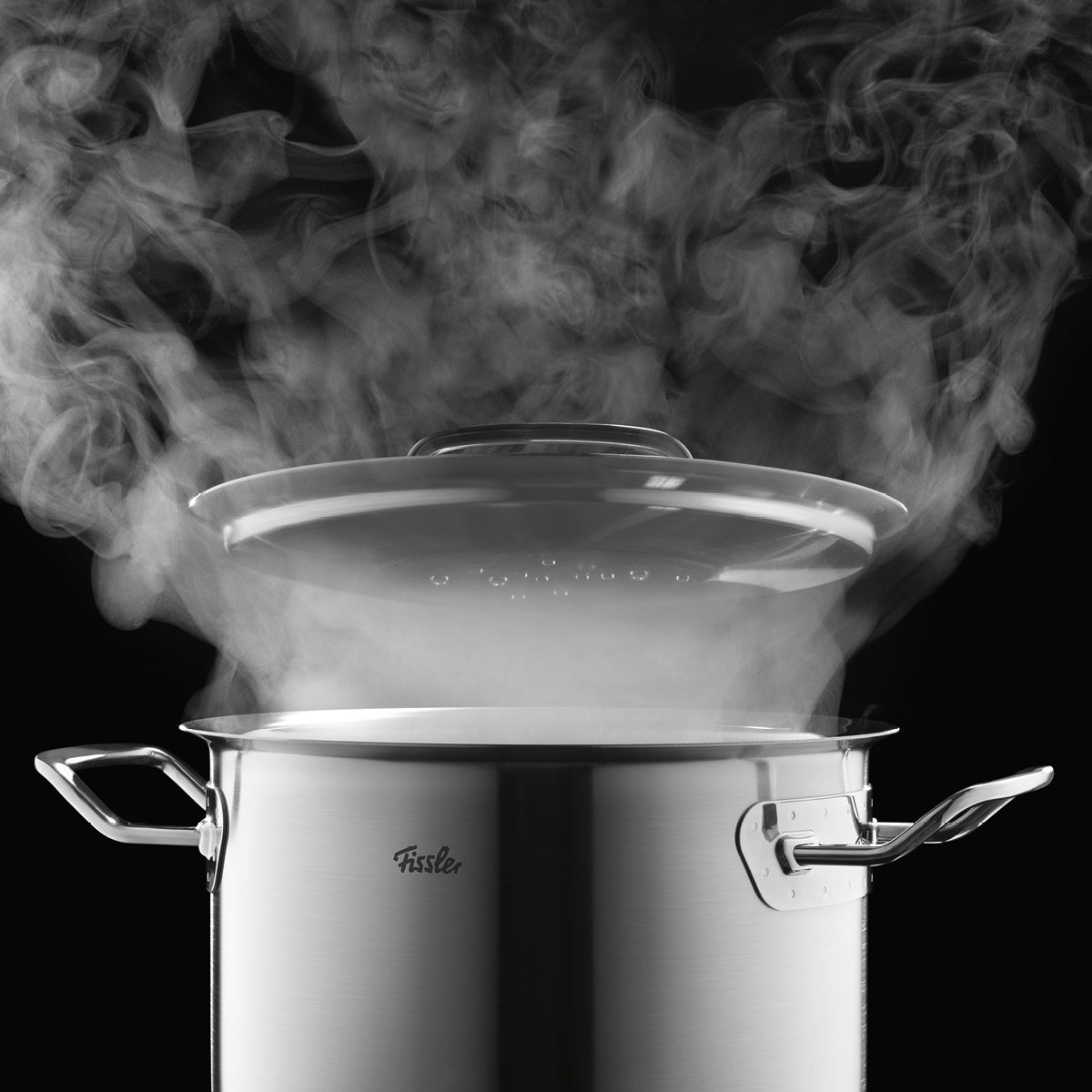
Steaming is a gentle method where vegetables are cooked in water vapor. It’s even quicker and gentler in a pressure cooker with a steam function, where food is cooked under pressure at up to 212°F. Delicate vegetables are especially suitable for steaming, and most nutrients and flavors are preserved.
Poaching
Poaching, also called simmering or steeping, involves gently cooking vegetables in hot (but not boiling) liquid at around 165–210°F. Some flavor and nutrients may be lost, but poaching in seasoned liquids enhances the taste of the vegetables.
Braising
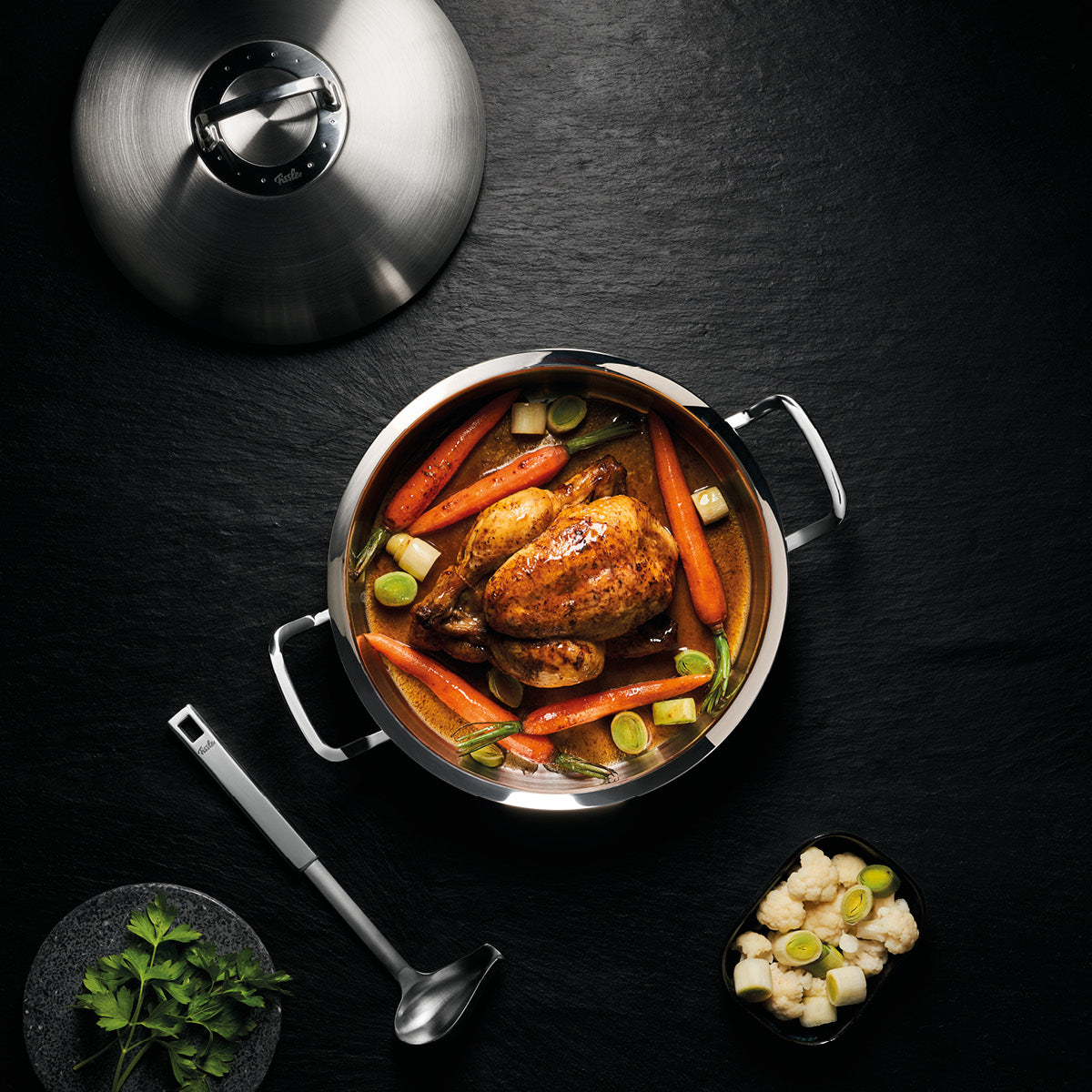
Braising involves browning ingredients in fat, followed by slow cooking with added liquid. While typically used for meat, this method is also great for hearty vegetables like eggplant, cabbage, peppers, zucchini, and potatoes. Browning enhances flavor, and slow simmering yields tender, aromatic results.
Deep-Frying
Deep-frying means submerging food in hot oil. Fried vegetables develop a crispy exterior and rich, roasted flavors.